
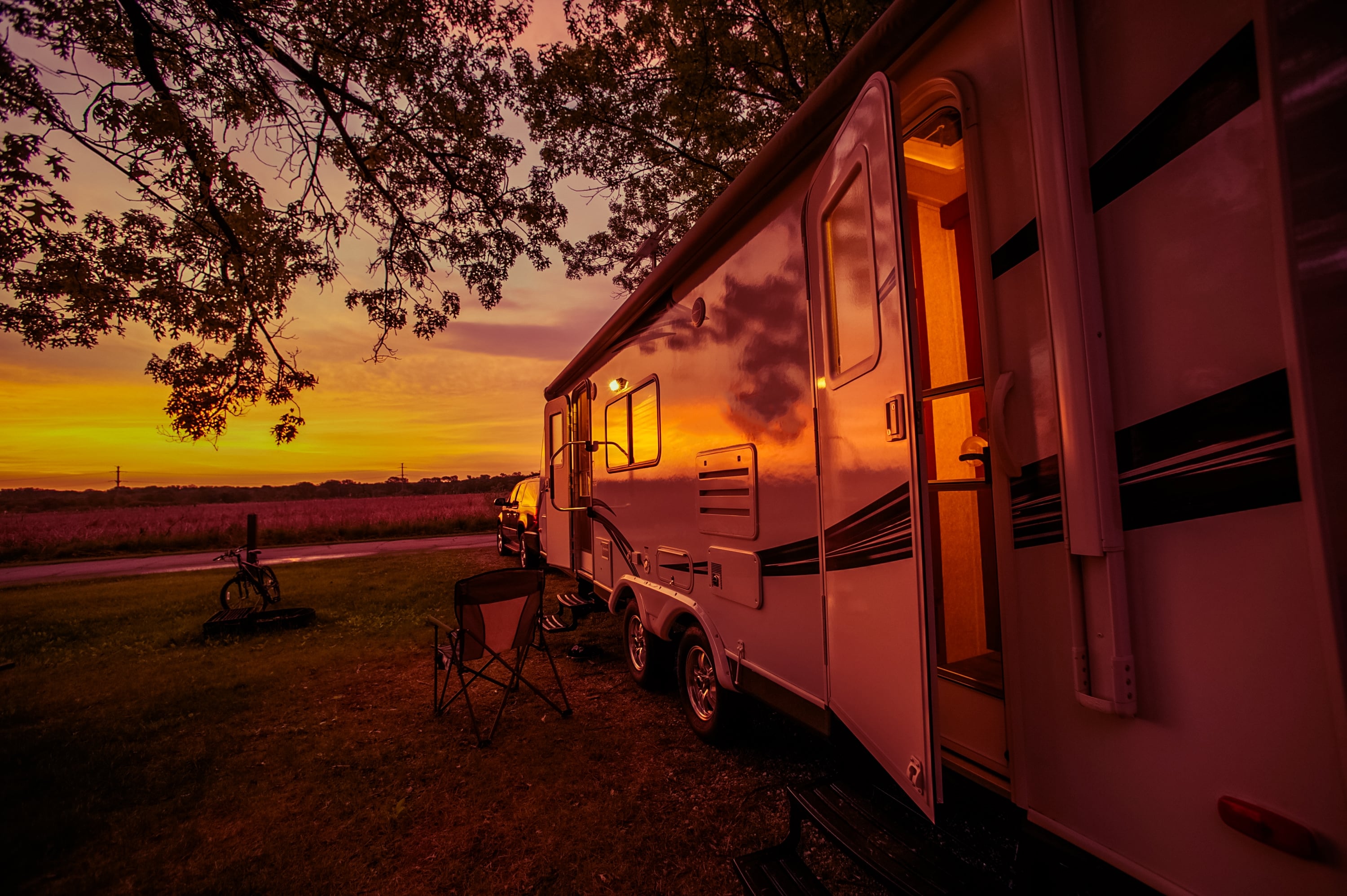
Boondocking, or camping without hookups for power, water, or sewer, offers RVers access to remote and scenic locations unavailable at traditional campgrounds. Success depends less on the destination and more on preparation. A rig that is ready for self-sufficiency prevents the common frustrations that catch first-time dry campers off guard.
Assess Your Power System
Power is usually the first constraint boondockers encounter. Before departure, check the condition and charge level of your house batteries. Lead-acid batteries should not be discharged below 50 percent, while lithium batteries can typically handle deeper discharges down to around 20 percent without shortening their lifespan. Test all connections for corrosion and ensure your battery monitor is functioning correctly, since accurate readings are essential once you are away from shore power.
If your RV has solar panels, inspect them for dirt, damage, or loose mounting hardware. Confirm your charge controller is operating properly and that your battery bank can accept the incoming charge. For rigs without solar, consider whether a generator will meet your needs, and pack enough fuel for the length of your stay.
Inspect Your Water System
Water conservation becomes critical once you leave hookups behind. Fill your fresh water tank completely before departure and check for leaks in hoses, fittings, and the tank itself. A slow leak that goes unnoticed at a campground with unlimited water becomes a serious problem when your supply is finite.
Consider your daily water usage and plan accordingly. PreciousRV explains that simple habits, such as turning off the faucet while brushing teeth or washing dishes, and taking shorter showers, extend how long your tank will last. If you plan to filter water from natural sources, check local regulations beforehand and carry a quality filtration system rated for the water conditions you expect to encounter.
Prepare Your Waste Tanks
Empty both your black and gray tanks completely before leaving for a boondocking trip, giving yourself maximum capacity for the duration of your stay. Understand your RV’s tank sizes and estimate how many days you can go before needing to find a dump station.
Meal planning can help here as well. Cooking methods that generate less liquid waste, along with mindful water use, help stretch your tank capacity further. If you plan an extended stay, research whether a portable waste tank makes sense for transporting waste to a dump station without breaking camp.
Check Your Tires, Brakes, and Mechanical Systems
Remote locations often mean rougher roads and limited access to roadside assistance. Inspect tire tread and pressure, check your brakes, and look over belts, hoses, and fluid levels before departure. A mechanical issue that would be a minor inconvenience near a town can become a serious problem miles from cell service.
Pack for Self-Sufficiency
Bring a well-stocked toolkit, spare fuses, and basic repair supplies for common issues like sewer hose connections or electrical fixes. Include a tire pressure gauge and portable inflator, along with leveling blocks for uneven terrain.
Safety equipment deserves particular attention. Carry a first aid kit, fire extinguisher, and functioning carbon monoxide and smoke detectors. A satellite communicator is worth considering for areas without cell coverage, since it allows you to call for help if needed.
Research Your Destination and Route
Before heading out, confirm that your intended camping location allows dispersed camping and check any stay-limit restrictions that may apply. Review your route for road conditions, clearance restrictions, and fuel availability, since remote areas may have fewer opportunities to refuel than you expect.
Check weather forecasts for your entire trip, not just your departure day. Conditions that create muddy or impassable roads can turn a simple exit into a serious challenge, particularly for larger rigs.
Building Confidence Through Preparation
Boondocking rewards RVers who take the time to prepare their systems and pack thoughtfully. A pre-trip checklist covering power, water, waste, mechanical readiness, and safety equipment reduces the likelihood of an interrupted trip. With these fundamentals addressed, RVers can focus on what draws them to off-grid camping in the first place: quiet surroundings, scenic locations, and the independence that comes from self-sufficient travel.
PreciousRV
hello@preciousrv.com
16 Cummins Hwy
#327
Boston
MA
02131
United States


